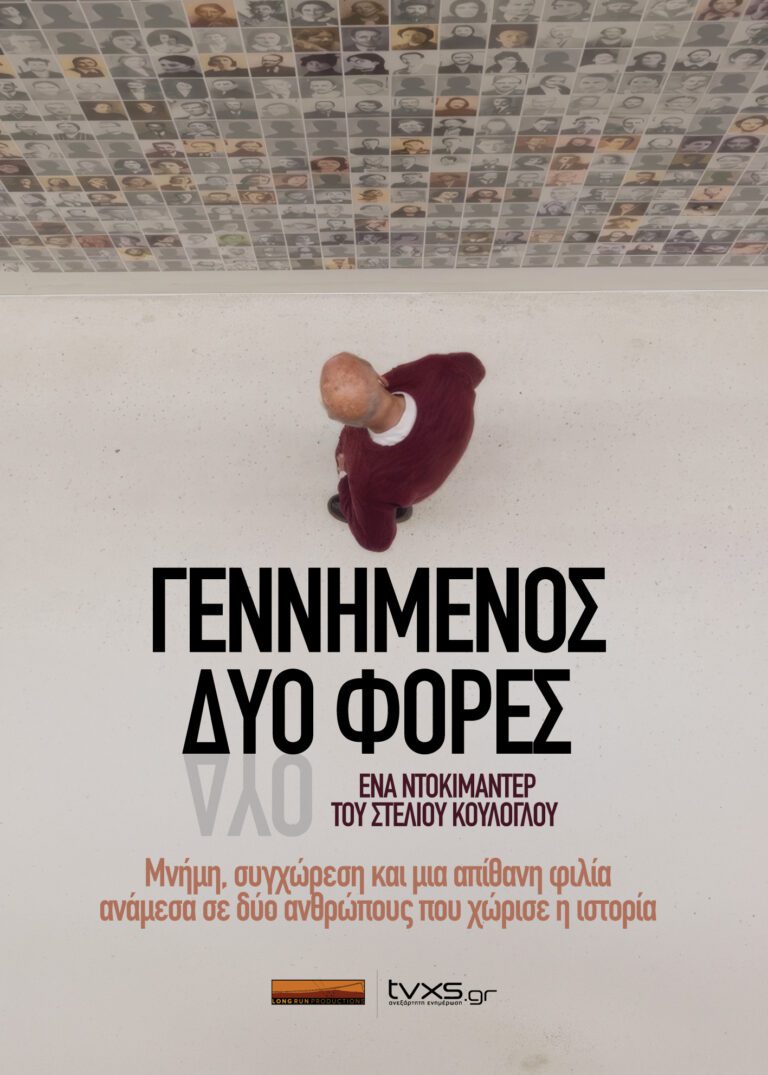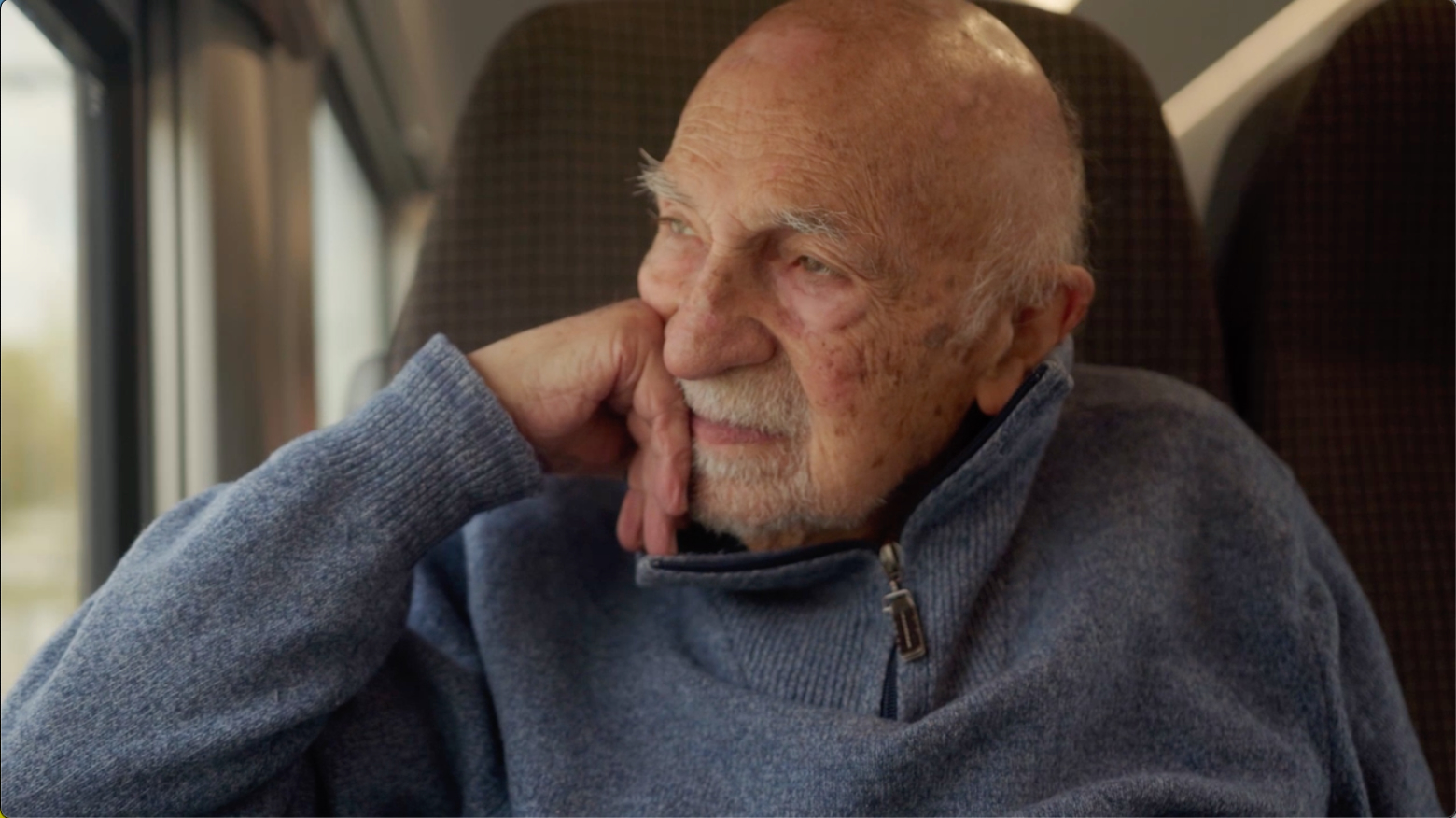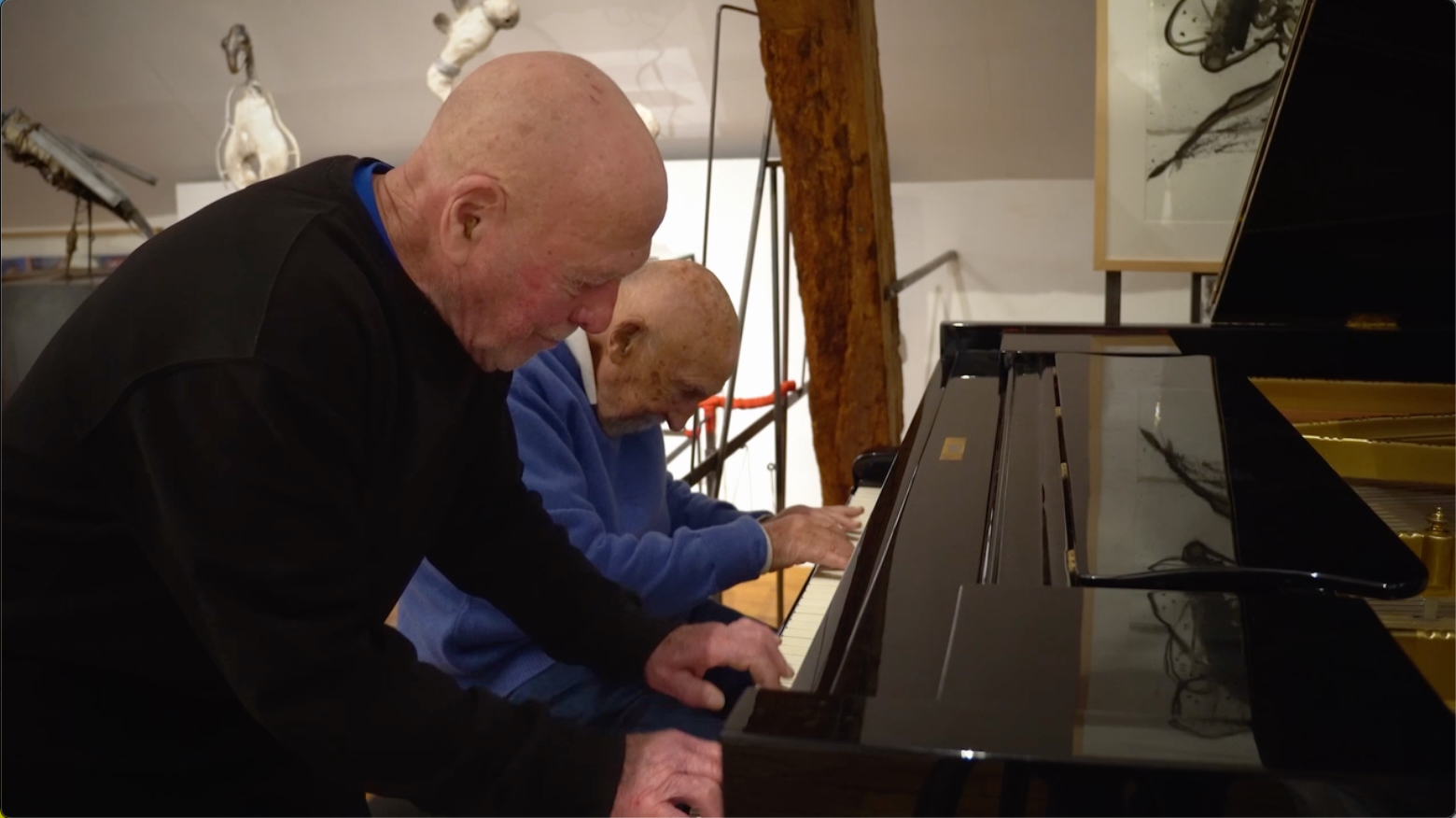
At 11 years old, Simon Gronowski jumped from a moving Nazi deportation train—the only child to escape from the infamous 20th convoy from Belgium to Auschwitz. Eight decades later, Simon revisits this act of survival not as a symbol of trauma, but as a gesture of life. Blending archival material, intimate present-day vérité, and Simon’s own music, the film traces a personal history shaped by rupture and resilience. He recalls the day his family was arrested, his escape into the woods, and the long silence that followed. His mother and sister perished in Auschwitz; he never saw them again.
Yet this is not a story of victimhood. Simon became a jazz pianist, a lawyer, and a public speaker. His path led him to a surprising friendship with Konrad Tinel, the son of a Flemish SS volunteer. Together, they confront inherited guilt and collective memory. Their bond, forged from opposing sides of history, becomes a quiet act of reconciliation.
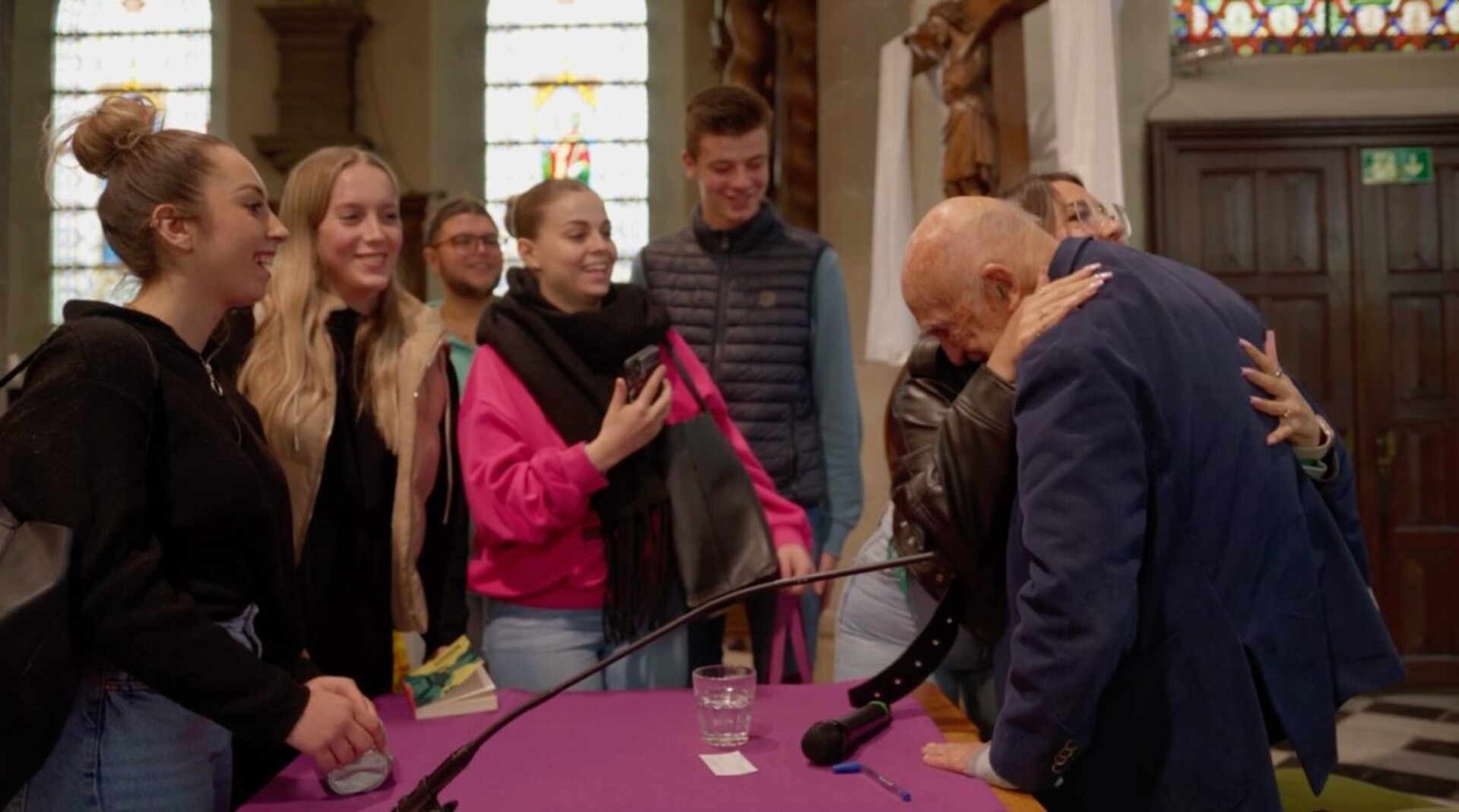
The film resists nostalgia or monumentalization. Instead, it allows Simon’s voice—at times light, at times grave—to unfold with clarity and grace. He speaks directly to young audiences, insisting on the need for democracy, empathy, and memory in today’s Europe. Music becomes his way back to joy, his answer to the silence of loss.
With its understated formal approach and emotional precision, the film offers not only a testimony of the Holocaust, but a living document on the ethics of remembrance and the radical possibility of forgiveness.